

wholesale toughened glass
The Role and Functionality of Small Ball Check Valves In various industrial applications, maintaining the integrity and flow of fluids is crucial. One of the essential components that assist in this task is the small ball check valve. This mechanical device plays a pivotal role in ensuring proper fluid management, preventing backflow, and protecting against system failures. At its core, a small ball check valve is a simple device that consists of a spherical ball positioned in a cylindrical seat. When fluid flows in the intended direction, the ball is pushed away from the seat, allowing passage. However, if the fluid attempts to reverse its flow, the ball is forced back into the seat, effectively sealing the passage and preventing any backflow. This straightforward yet effective mechanism makes small ball check valves an essential component in various plumbing, hydraulic, and pneumatic systems. One of the primary advantages of using small ball check valves is their compact size . Unlike larger check valves, these small variants can fit into tight spaces, making them ideal for applications where space is a premium. This feature is particularly valuable in residential plumbing, automotive systems, and even in medical devices where fluid control is critical. small ball check valve Additionally, small ball check valves offer high reliability. The simple design minimizes the potential for mechanical failure, which can occur with more complex valve types. The materials used for construction, such as brass, stainless steel, and plastic, contribute to the durability and longevity of these valves. Furthermore, the smooth motion of the ball reduces wear and tear over time, ensuring consistent performance. In industrial settings, small ball check valves can be found in a multitude of applications, including water supply systems, chemical handling, and irrigation. Their capability to prevent backflow is particularly important in applications where fluid contamination is a concern. For instance, in a chemical processing plant, the backflow of hazardous materials can pose significant health and environmental risks. Utilizing small ball check valves helps mitigate these dangers by ensuring that chemicals flow in one direction only. Maintenance of small ball check valves is typically straightforward, thanks to their simple construction. Regular inspections can help identify wear or build-up of debris that may impede the valve's function. In most cases, cleaning or replacing the valve can easily restore system integrity. In conclusion, small ball check valves are indispensable components in the realm of fluid dynamics. Their compact design, reliability, and straightforward function make them suitable for a wide range of applications across various industries. As industries continue to evolve and the demand for efficient fluid management solutions grows, the role of small ball check valves will undoubtedly remain critical. Investing in high-quality small ball check valves not only protects systems from potential failures but also enhances overall operational efficiency. For anyone involved in fluid handling, understanding and utilizing these check valves can lead to safer, more reliable, and effective system management.
about
wholesale toughened glass
Platform Inspection Ensuring Safety and Compliance Platform inspection is a critical process in various industries, particularly in construction, manufacturing, and transportation. It involves the systematic evaluation of platforms, whether they are scaffolding, workstations, or transportation facilities. The primary goal of platform inspection is to ensure safety, compliance with regulatory standards, and the overall integrity of the structures being used in daily operations. Importance of Platform Inspection The importance of platform inspection cannot be overstated. First and foremost, ensuring the safety of personnel who utilize these platforms is paramount. Platforms that are not regularly inspected can develop structural weaknesses, leading to accidents that may result in severe injuries or fatalities. A robust inspection program can identify potential risks before they lead to disastrous consequences. Moreover, regular inspections help organizations comply with legal and regulatory requirements. Many industries are governed by strict safety regulations that mandate regular checks and maintenance of equipment and structures. Failure to comply can result in hefty fines, legal complications, and damage to an organization's reputation. Thus, maintaining adherence to safety standards not only protects workers but also safeguards a company's interests. Components of a Thorough Inspection A comprehensive platform inspection typically involves several critical components. Inspectors assess the physical condition of the platform, checking for any signs of wear and tear, corrosion, or structural damage . They also examine safety features like guardrails, ladders, and non-slip surfaces to ensure they are functional and meet safety standards. Additionally, inspections often include evaluating the load capacity of platforms. Overloading is a common cause of accidents, and underestimating the weight a platform can bear can have dire consequences. Inspections help ensure that platforms are used within their designated limits and that any changes in usage don’t exceed safe thresholds. platform inspection Documentation is another essential aspect of platform inspections. Keeping detailed records of each inspection helps track the history and condition of the platforms over time. This information is invaluable for identifying recurring issues and maintaining compliance with regulatory standards. Best Practices for Platform Inspection To optimize the effectiveness of platform inspections, certain best practices should be followed. First, inspections should be conducted by trained and certified personnel who understand the specific requirements of the platforms being assessed. Their expertise is crucial in identifying issues that may not be apparent to untrained eyes. Regular inspection schedules should be established based on the usage and environmental factors affecting the platforms. For instance, platforms exposed to harsh weather conditions may require more frequent inspections than those used in controlled environments. Furthermore, organizations should foster a culture of safety within their workforce. Employees should be encouraged to report any concerns or irregularities they observe during their regular use of the platforms. This proactive approach empowers workers and enhances the overall safety environment. Conclusion In conclusion, platform inspection is an indispensable part of ensuring safety and compliance in various industries. By identifying potential hazards, adhering to regulatory standards, and promoting a culture of safety, organizations can protect their workers and maintain operational integrity. Investing time and resources into regular inspections not only enhances safety but also contributes to a more efficient and productive work environment, ultimately leading to long-term success for any organization.
-

High quality industrial productsagement

High quality industrial products
View Details -

Meet the diverse needs of customers

Meet the diverse needs of customers
View Details -

Strict quality control

Strict quality control
View Details -

Top raw materials

Top raw materials
View Details -

Trusted supplier

Trusted supplier
View Details
Our application

news and information
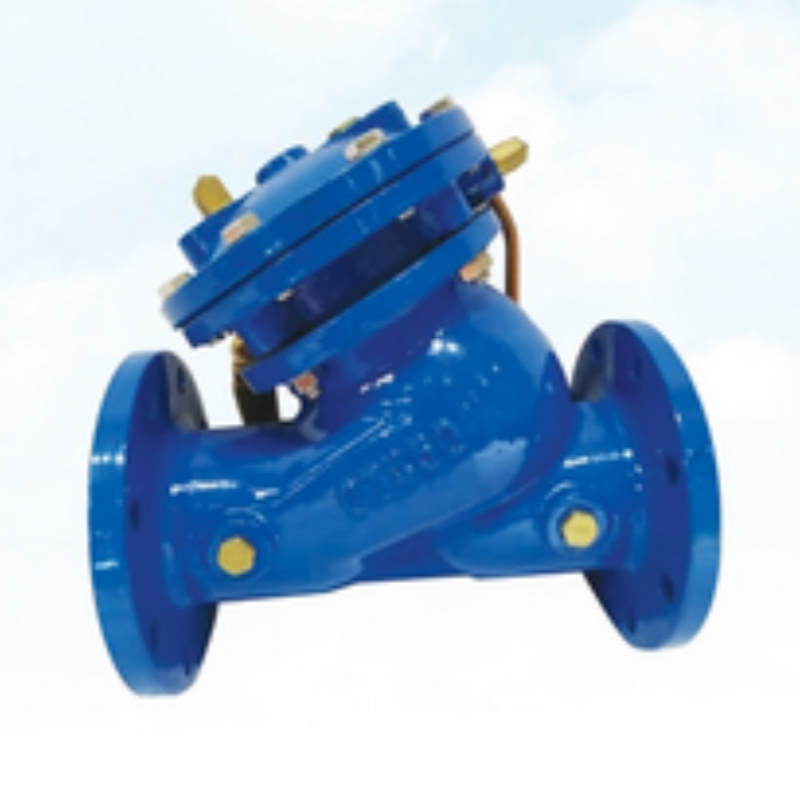
y type water strainer
Understanding Y-Type Water Strainers Functionality, Benefits, and Applications Water strainers are e
Valvola di ritegno di mezzo pollice
Valvole di controllo da mezzo pollice Funzioni e applicazioni Le valvole di controllo da mezzo polli
welding table supplier
Finding the Right Welding Table Supplier A Guide for Professionals Welding is an essential process i
 English